
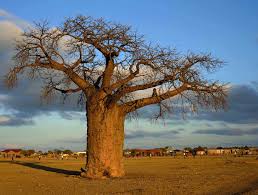
The baobab tree—iconic, ancient, and revered—now finds itself at a crossroads. While global demand for baobab products is booming, there’s a growing concern about the sustainability of these sacred giants. Native to arid Africa and the Arabian Peninsula, baobabs are the epitome of resilience, surviving harsh climates and growing in places where few other trees dare. But with their slow growth and increasing commercial interest, these ancient trees face serious threats.
The Baobab’s Superpowers (and How They’re Benefiting Us)
Baobabs are the real deal when it comes to health. The fruit’s pulp is packed with antioxidants, vitamins, and minerals, making it a sought-after ingredient in health foods, drinks, and even cosmetics. From their leaves (yum, nutritious veggie) to the seeds (hello, cosmetic oil), every part of the baobab is invaluable. It’s no wonder communities have woven them into their cultural fabric—considered sacred, the baobab is central to ceremonies and folklore.
But it’s not all about humans. Baobabs also support a range of wildlife—from insects to monkeys—acting as water reservoirs and soil stabilizers. They even serve as carbon sinks, helping to fight climate change.
Baobab: The Golden Goose or the Tree on the Chopping Block?
The baobab’s newfound fame comes with consequences. As demand for baobab products skyrockets, particularly in Europe, concerns about overharvesting are mounting. Some baobab species are already considered endangered, and the African baobab is showing signs of decline in certain regions. Climate change is another major player, disrupting the delicate ecosystems these trees depend on. Warmer temperatures and shifting rainfall patterns are affecting the baobab’s ability to thrive and reproduce.
To top it off, there’s the issue of biopiracy. In 2022, baobabs were uprooted in Kenya and sent to Georgia, but the trees didn’t survive the transplant. This highlighted a troubling lack of policies to protect baobabs from exploitation.
What’s the Plan?
It’s not all doom and gloom, though. Protecting the baobab requires a balanced approach. Communities need to blend cultural practices with modern conservation methods. It’s crucial to promote sustainable harvesting—leaving enough fruit to allow for natural regeneration—and use indigenous knowledge alongside cutting-edge science to protect these ancient trees.
If we get it right, we can continue to enjoy baobab’s superfood benefits without sacrificing its survival. Let’s just hope these iconic trees don’t become the next victim of “overhype meets exploitation.”
In a Nutshell:
- Baobabs are ancient, iconic trees providing critical ecological and cultural benefits.
- The baobab pulp is a sought-after superfood, but its growing commercial demand is putting pressure on the tree.
- Climate change, overharvesting, and biopiracy threaten the future of baobabs.
- Protecting them will take a mix of cultural respect, sustainable practices, and global collaboration.
Let’s make sure the baobab’s story doesn’t end in a sad, hollow trunk.