
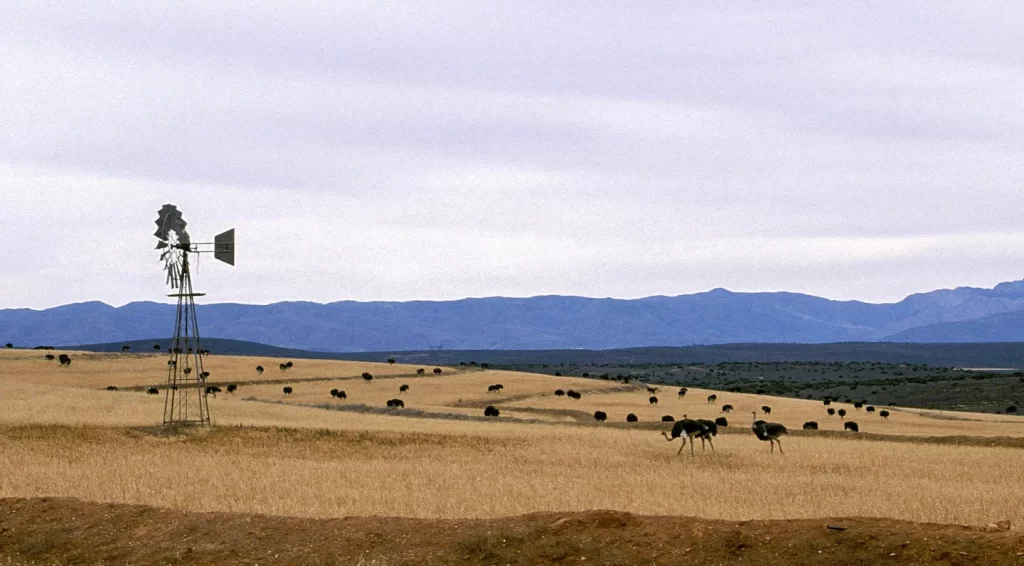
Picture this: Over 2 million hectares of state-owned farmland, sitting vacant, just waiting for black farmers to take the reins. But wait—those farmers are still stuck waiting for title deeds and secure land access. This isn’t just a farming issue; it’s a huge obstacle to South Africa’s agricultural growth, as explained by Wandile Sihlobo in his travels through the Karoo.
In his address to Parliament, President Cyril Ramaphosa pledged to speed up land reform by improving funding and transferring state land to rightful beneficiaries. Good intentions, yes. But the reality on the ground is far less inspiring.
For starters, land acquired for reform purposes—farms that could be buzzing with activity—are largely underutilised, and many farmers struggle to get secure, long-term leases. Without it, they can’t access capital or grow their operations. Farmers are locked in a cycle of frustration, unable to expand or even get bank loans. But that’s not all. In some shocking cases, successful farmers with potential are evicted by corrupt officials, leaving them with little hope of ever owning the land they’ve worked so hard on.
So why not just give them the title deeds? Well, history is a bit of a guide here. Back in the 1940s, the National Party had a similar strategy, putting farmers on state land with rent-free periods and affordable financing. If they succeeded, they could buy the land. Simple, right? Why not repeat that formula?
But here’s the kicker—getting support from local governments is often a different story altogether.
Wandile Sihlobo took a road trip across the Karoo to see firsthand how local infrastructure is holding back farming and tourism. While the Western Cape shines with well-maintained roads (hello, tourists and farmers), the Northern Cape is still waiting for a road grader to pass by. Bumpy gravel roads make it harder for farmers to get products to market—and tourists to reach those charming Karoo towns.
Meanwhile, some local governments can’t even finish housing projects on time. Half-built homes are left abandoned, and building materials disappear—raising serious questions about accountability. This only worsens the unemployment and poverty that many rural areas already face. A bit of management and focus on basic services could work wonders here.
So, what’s the bottom line? The real transformation won’t come from policy speeches alone. It’s about getting the basics right—improving roads, securing land tenure, rooting out corruption, and ensuring local governments serve the people.
As Sihlobo puts it, the real test will be whether South Africa’s seventh administration can turn these good intentions into something tangible, helping farmers, agribusinesses, and communities thrive. Fingers crossed for better outcomes!