
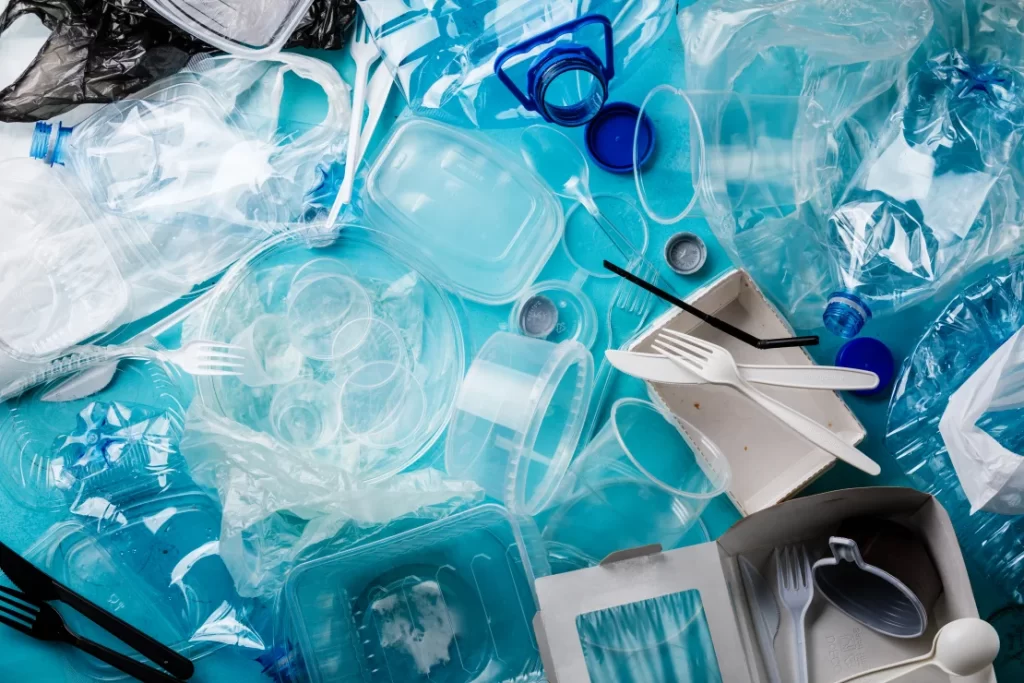
Let’s be real: the phrase “Would you like some plastic with that?” is no longer a joke. A growing body of research reveals microplastics are creeping into our meals—no matter if you’re a die-hard carnivore or a dedicated plant-based eater. And, to make matters worse, you might be ingesting more plastic than you think.
Microplastics: The Tiny Invaders
Microplastics are minuscule plastic particles, ranging from as small as 1 micrometer (about 1/25,000th of an inch) to 5 millimeters. A study in February 2024 found that 90% of animal and plant proteins tested positive for microplastics. Yep, even your veggies aren’t safe. They can suck up these particles through their roots, so no one is escaping this plastic trap.
And don’t get too excited, tea lovers—those cute, convenient plastic tea bags aren’t doing you any favours either. A McGill University study found that one plastic tea bag releases 11.6 billion microplastic particles into your brew. That’s a lot of plastic in your “cup of zen.”
Which Foods Are Most Contaminated?
We can all agree, food should nourish us, not deliver a side of plastic. But research is showing that pretty much anything can come with a plastic garnish. According to a 2024 study, breaded shrimp topped the list of most plastic-laden foods—containing more than 300 microplastics per serving. Next on the plastic parade? Plant-based nuggets, followed by chicken nuggets and fish sticks. But don’t panic just yet; chicken breasts, pork chops, and tofu were the least contaminated.
Rice also shows up as a plastic offender—especially instant rice. A study from the University of Queensland found that you could consume up to 13 milligrams of plastic per serving of instant rice. But if you wash your rice first, you can reduce that by up to 40%—plus, it helps get rid of arsenic. So, there’s a silver lining!
What’s the Big Deal?
We’re still in the early days of understanding what this plastic invasion means for human health, but early findings are concerning. A March 2024 study found that people with microplastics in their arteries were twice as likely to experience a heart attack, stroke, or other serious health issues. The real worry comes from nanoplastics, which are so tiny they can invade individual cells, possibly releasing harmful chemicals like bisphenols, flame retardants, and heavy metals into your system.
So, while your lunch might not come with a “warning: contains plastic” label, your body could be paying the price.
Plastics Are Everywhere
It’s not just the food that’s problematic. The world is awash in plastics—16,000 types of them, with over 4,000 considered hazardous to health. As plastics break down, they turn into micro and nanoplastics, eventually making their way into everything from bottled water to food containers. One recent study found bottled water can contain up to 370,000 nanoplastics per liter. That’s a lot of tiny particles for your body to handle.
How to Minimise Your Plastic Intake
Don’t worry, there are ways to dodge the plastic bullet:
- Go glass, not plastic – For food storage, look for glass, enamel, or foil instead of plastic containers.
- Skip microwaving in plastic – Heat your food in glass containers instead. Your food (and your health) will thank you.
- Eat fresh – Avoid processed foods in plastic packaging. The fresher the food, the less likely it’s packed with microplastics.
- Wear natural fabrics – Ditch those synthetic clothes made from polyester and nylon; they shed microplastics every time you wash them.
- Bottled water? Think twice – Drink tap water instead, and if you must buy bottled, look for glass bottles.
The Plastic Problem is Real—But You Can Fight Back
While microplastics are definitely a global issue, you can take small steps to reduce your exposure. It’s all about being mindful of how food is packaged, how it’s prepared, and what you put into your body. After all, who wants to eat their dinner with a side of plastic? Not this South African, mate!
Source Info: https://edition.cnn.com/2024/04/22/health/plastics-food-wellness-scn/index.html